What Are Backlinks? The Complete Beginner’s Guide to SEO Backlinks
What Are Backlinks? The Complete Beginner’s Guide to SEO Backlinks explains how backlinks work, why they matter for search rankings, and how beginners can build high-quality backlinks for better SEO results.
Introduction to Backlinks in SEO#
If you’re learning search engine optimization (SEO), one of the first terms you’ll encounter is backlinks. Many experts consider backlinks vital for influencing search engine rankings.
But what exactly are backlinks? Why do they matter so much for websites?
This article, What Are Backlinks? The Complete Beginner’s Guide to SEO Backlinks covers the core concepts for beginners. Next, let’s break down how backlinks work, why search engines value them, and how building them can boost your website’s visibility.
In simple terms, backlinks act like votes of confidence from one website to another. When a site links to your content, it tells search engines that your page is valuable and trustworthy.
Websites with strong backlink profiles often rank higher. SEO studies show pages with more high-quality backlinks generally perform better.
To see real SEO progress, understanding backlinks is essential. Now, let’s unpack what backlinks mean and why they matter for a variety of online goals—from blogs to business sites.
Understanding the Meaning of Backlinks#
Simple Definition of Backlinks
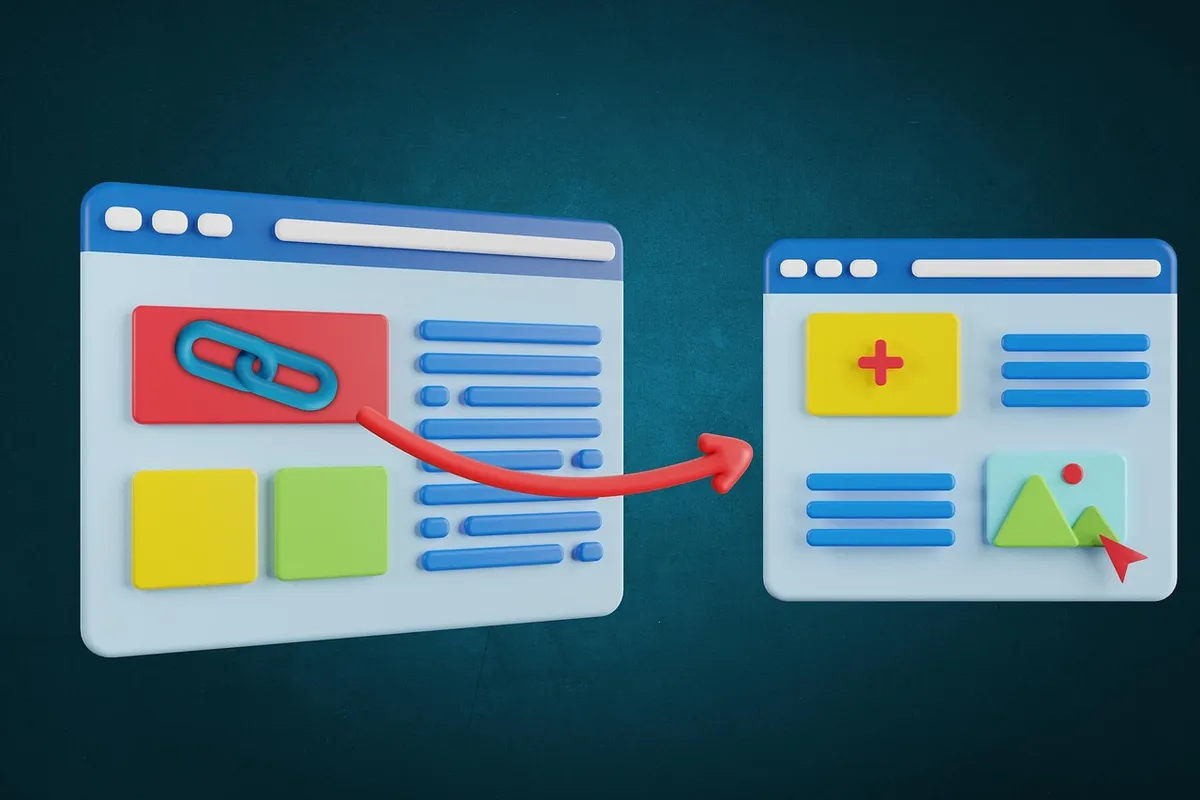
A backlink is a link from one website to another website.
For example:
- Website A links to Website B.
- Website B receives a backlink from Website A.
These links are also called:
- inbound links
- incoming links
- external links
Backlinks connect pages on the web and help users navigate between sites.
Why Backlinks Matter for Search Engines
Search engines like Google use backlinks to measure credibility and authority.
Think of backlinks like recommendations.
If many trustworthy websites link to your page, search engines assume your content must be useful or important.
Because of this, backlinks help search engines decide:
- Which pages deserve higher rankings
- Which websites are trustworthy
- Which content is valuable to users
You can learn more about Google’s search ranking system from their official documentation: https://developers.google.com/search/docs
How Backlinks Impact SEO Rankings#
Search engines use complex algorithms to rank sites. Backlinks are among the strongest signals in these formulas.
When a search engine crawls the web, it analyzes links between pages. These links help search engines discover new content and understand relationships between websites.
Some key link signals include:
- number of backlinks
- quality of linking sites
- Relevance of linking content
- anchor text used in the link
For example, if a popular marketing website links to your SEO article, search engines see that as a strong signal of trust.
Authority, Trust, and Relevance
Backlinks contribute to three major SEO factors:
Authority
Websites that receive links from reputable sources gain higher authority.
Trust
Search engines trust websites that earn links naturally rather than through spam or manipulation.
Relevance
Links from industry-related websites carry more value.
For instance:
- A technology blog linking to a software website is highly relevant.
- A random, unrelated site linking to the same page may carry less value.
Types of Backlinks#
Not all backlinks are equal. Some pass ranking power; others do not.
DoFollow Backlinks
DoFollow links pass SEO value from one website to another.
These are the most valuable type of backlinks because they help increase search rankings.
Most normal website links are DoFollow unless marked otherwise.
NoFollow Backlinks
NoFollow links contain an attribute telling search engines not to pass ranking authority.
They still provide benefits such as:
- referral traffic
- brand exposure
- natural link profile diversity
Editorial Backlinks
Editorial links are earned naturally when websites reference your content.
For example:
- a blog citing your research
- a news website linking to your article
- a resource page recommending your guide
These are some of the most powerful backlinks.
Guest Post Backlinks
Guest posting involves writing articles for other websites.
In return, you often get a link back to your site.
Benefits include:
- backlinks
- audience exposure
- authority building
Directory and Profile Links
These backlinks come from:
- business directories
- online profiles
- community websites
These usually weaker links still help build a natural backlink profile.
Benefits of Backlinks for Websites#
Backlinks provide key benefits for websites, including higher search rankings, more website traffic, greater domain authority, improved credibility, and broader online exposure.
Higher Search Rankings
The most obvious benefit is better rankings.
Search engines reward websites that receive high-quality backlinks, which can push pages higher in search results.
Higher rankings increase your website’s online visibility and attract more potential visitors, helping your site reach a larger audience.
Increased Website Traffic
Backlinks also bring referral traffic.
When users click a link from another website, they land on your page.
When the link comes from a relevant website, the referral traffic is often highly targeted, increasing the chance these visitors will engage with your content or services.
Improved Domain Authority
Domain authority measures a website’s overall strength.
Websites with many strong backlinks typically have higher authority.
With higher domain authority, your new content can appear more quickly in search results, helping you sustain ongoing growth.
Quality vs Quantity in Backlinks#
Many beginners try to get as many backlinks as possible, but quality matters more than quantity.
Characteristics of High-Quality Links
A good backlink usually has these features:
- comes from a trusted website
- appears within relevant content
- uses natural anchor text
- receives real user traffic
- is placed editorially
One link from a respected site can be stronger than many weak links.
Risks of Low-Quality or Spam Links
Low-quality backlinks can harm your SEO.
Examples include:
- spam blog comments
- link farms
- paid link schemes
- irrelevant directory sites
Search engines may penalize websites that use manipulative link-building tactics.
How to Build Backlinks for Beginners#
Building backlinks takes time and strategy, but beginners can start with simple methods.
Creating High-Quality Content
The best way to earn backlinks is by creating valuable content.
Examples include:
- detailed guides
- original research
- infographics
- tutorials
- case studies
When your content is useful, other websites naturally link to it. Guest Blogging Strategy
Guest blogging is one of the most common backlink strategies.
Steps include:
- Find websites in your niche
- Pitch article ideas
- Write helpful content
- Include a relevant link to your website.
This approach benefits both websites.
Broken Link Building
Broken link building involves finding dead links on websites and suggesting your content as a replacement.
Steps:
- Identify broken links on blogs.
- Contact the site owner.
- Offer your relevant content as a replacement.
This helps website owners fix links and provides you with a backlink.
Outreach and Networking
Building relationships with other website owners can lead to backlinks.
You can connect through:
- social media
- online communities
- email outreach
- collaborations
Networking often creates natural link opportunities.
Tools for Backlink Analysis#
SEO professionals use tools to track and analyze backlinks.
Popular SEO Tools
Common tools include:
- Ahrefs
- SEMrush
- Moz
- Google Search Console
These tools help you see:
- Who links to your site?
- link quality
- anchor text
- lost or new backlinks
Monitoring Your Link Profile
Regular checks help maintain a healthy backlink profile.
You can:
- remove harmful links
- identify new opportunities
- analyze competitor strategies
Common Backlink Mistakes to Avoid#
Many beginners make mistakes when building backlinks.
Avoid these common errors:
- buying cheap backlinks
- using automated link-building software
- spamming blog comments
- focusing only on quantity
- ignoring link relevance
SEO works best when links are earned naturally. Future of Backlinks in SEO
Even as search algorithms evolve, backlinks remain a major ranking factor.
However, search engines are getting smarter. They now focus more on:
- link quality
- context
- user experience
- content value
Websites that prioritize helpful content and authentic relationships continue to benefit from backlinks.
FAQs About Backlinks#
1. What are backlinks in simple terms?
Backlinks are links from one website to another. They help search engines discover pages and evaluate their credibility.
2. Why are backlinks important for SEO?
Backlinks signal trust and authority to search engines, which can improve a website’s ranking in search results.
3. How many backlinks do I need to rank?
There is no fixed number. A few high-quality backlinks can outperform hundreds of low-quality ones.
4. Are all backlinks good for SEO?
No. Spam or low-quality links can harm your website’s reputation and rankings.
5. How long does it take for backlinks to affect rankings?
It can take weeks or months for search engines to detect and evaluate new backlinks.
6. Can beginners build backlinks without technical skills?
Yes. Creating great content, guest blogging, and networking are beginner-friendly strategies.
Conclusion#
Understanding What Backlinks Are? The Complete Beginner’s Guide to SEO Backlinks is an essential step in learning SEO.
Backlinks act as signals of trust that help search engines determine which websites deserve higher rankings. High-quality backlinks from reputable, relevant sources significantly boost your website’s ranking chances.
However, successful link building is not about collecting as many links as possible. Focus on helpful content, building relationships, and earning links naturally. With patience and consistency, backlinks can become powerful tools for growing your website’s traffic, authority, and long-term success.